
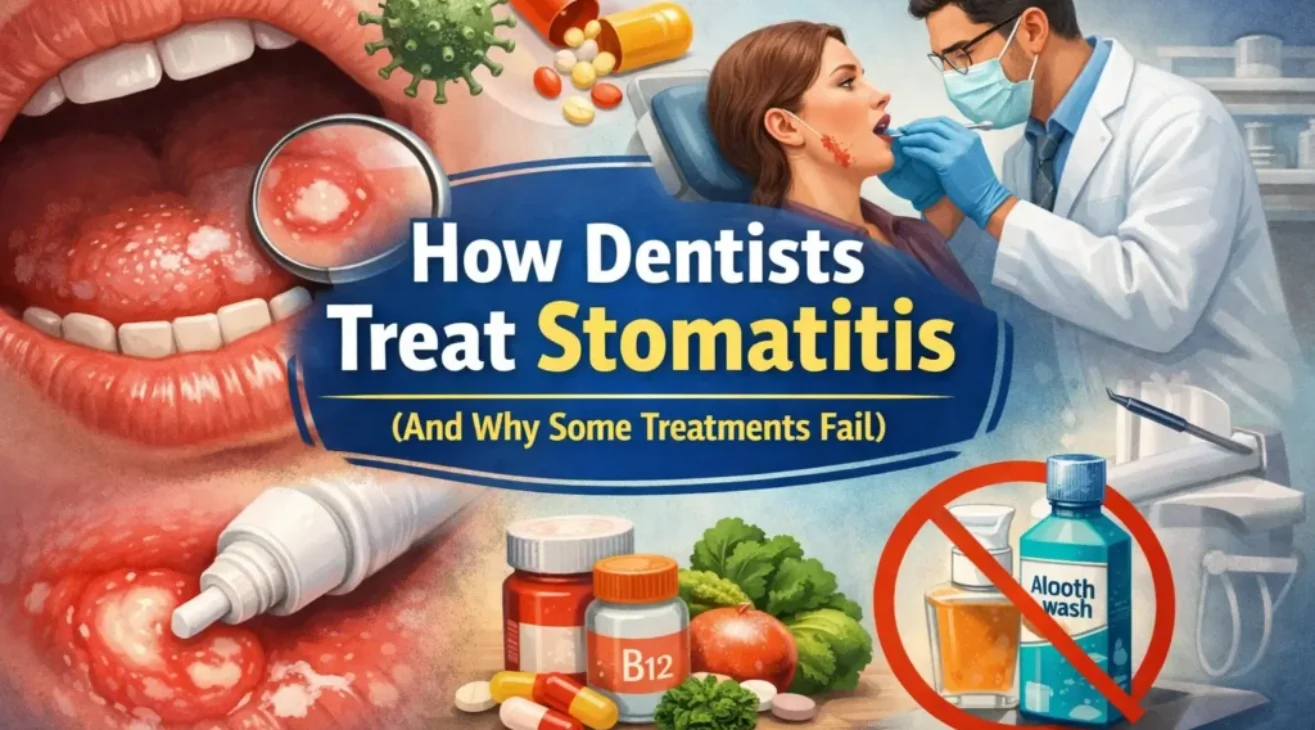
Treatment of Stomatitis: What Actually Works, Why It Happens, and What Patients Often Miss
Stomatitis is inflammation of the tissues inside the mouth that can cause painful sores, redness, swelling, and difficulty eating or speaking. While many cases heal within one to two weeks, recurring or severe stomatitis often points to an underlying problem, such as a nutritional deficiency, infection, poorly fitting dental appliances, allergies, certain medications, or a medical condition. The most effective treatment depends on identifying and treating the root cause rather than simply relieving pain.
Research estimates that 20–25% of people experience recurrent mouth ulcers during their lifetime, making stomatitis one of the most common oral health concerns. Although it is often dismissed as “just a mouth sore,” untreated or recurring stomatitis can affect nutrition, sleep, and overall quality of life.
This guide explains what stomatitis is, what causes it, the different types, common symptoms, and why some people experience recurring episodes. You’ll also learn how dentists diagnose the condition and why finding the underlying cause is the key to lasting relief.
Table of Contents
What Is Stomatitis in the Mouth and How Is It Treated?
Stomatitis is a broad medical term for inflammation of the oral mucosa, the soft tissues lining the inside of the mouth. It can affect the lips, cheeks, tongue, gums, roof of the mouth, or the floor of the mouth.
Depending on the cause, stomatitis may appear as a single painful ulcer, multiple sores, red patches, swelling, or cracked skin around the mouth. Some cases are mild and resolve on their own, while others become recurrent or are linked to underlying health conditions.
Treatment isn’t the same for everyone because stomatitis isn’t a single disease. Instead, it’s a symptom with many possible causes. For example:
- A viral infection may require antiviral medication.
- A fungal infection is treated with antifungal medication.
- A vitamin B12 or iron deficiency often improves with supplementation.
- A sharp tooth or ill-fitting denture may simply need a dental adjustment.
- Allergic reactions usually improve once the irritating product or food is removed.
In most cases, successful treatment focuses on three goals:
- Relieve pain and inflammation.
- Identify and treat the underlying cause.
- Reduce the risk of future flare-ups.
Simply treating the symptoms may provide temporary relief, but lasting improvement usually comes from addressing what’s causing the inflammation.
What Does Stomatitis Look Like?
Stomatitis doesn’t always appear the same. Its appearance depends on the underlying cause and the severity of the inflammation.
Common signs include:
- Small white or yellow ulcers with a red border.
- Red or swollen patches inside the mouth.
- White patches that may be associated with oral thrush.
- Small blisters that later become ulcers.
- Cracked or sore corners of the mouth.
- Tender or bleeding oral tissues.
Some people develop only one sore, while others experience multiple ulcers throughout the mouth. The discomfort can range from mild irritation to severe pain that makes eating, drinking, or speaking difficult.
Common Types of Stomatitis
Understanding the type of stomatitis is one of the most important steps in choosing the right treatment. Although the symptoms can look similar, the causes and treatment plans are often very different.
Aphthous Stomatitis (Canker Sores)
Aphthous stomatitis, commonly known as canker sores, is the most common form of stomatitis. These ulcers are typically round or oval with a white or yellow center surrounded by a red border.
Unlike cold sores, aphthous ulcers are not contagious and usually develop on the inside of the cheeks, lips, tongue, or soft palate.
Common triggers include:
- Emotional stress.
- Minor injuries inside the mouth.
- Hormonal changes.
- Vitamin B12, iron, or folate deficiency.
- Certain foods or food sensitivities.
Most ulcers heal within 7 to 14 days, although recurrent episodes may require further evaluation.
Herpetic Stomatitis
Herpetic stomatitis is caused by the herpes simplex virus type 1 (HSV-1) and is contagious.
Unlike canker sores, it often begins with fever, fatigue, swollen lymph nodes, and clusters of tiny fluid-filled blisters that eventually rupture into painful ulcers.
Primary infections are most common in young children but can occur at any age. People with weakened immune systems may experience more frequent or severe outbreaks.
Angular Stomatitis
Angular stomatitis, also called angular cheilitis, affects the corners of the mouth.
Common symptoms include:
- Painful cracks.
- Redness and irritation.
- Dry or crusted skin.
- Burning when opening the mouth.
This condition is commonly associated with:
- Candida (yeast) infections.
- Bacterial infections.
- Ill-fitting dentures.
- Saliva collecting at the corners of the mouth.
- Iron or vitamin B deficiencies.
Without correcting the underlying cause, the condition often returns after treatment.
Allergic or Contact Stomatitis
Some people develop stomatitis after exposure to ingredients found in everyday oral care products or foods.
Common triggers include:
- Toothpaste containing sodium lauryl sulfate (SLS).
- Alcohol-based mouthwashes.
- Cinnamon flavoring.
- Certain dental materials.
- Food additives and preservatives.
Symptoms usually improve once the irritant is identified and avoided.
Traumatic Stomatitis
Traumatic stomatitis develops when the soft tissues inside the mouth are repeatedly irritated.
Common causes include:
- Sharp or broken teeth.
- Poorly fitting dentures.
- Braces or orthodontic appliances.
- Rough dental restorations.
- Habitual cheek or lip biting.
Removing the source of irritation often allows the tissue to heal naturally.
Systemic Disease-Associated Stomatitis
Sometimes stomatitis is a symptom of an underlying medical condition rather than an isolated oral problem.
It may be associated with:
- Crohn’s disease.
- Celiac disease.
- Behçet’s disease.
- Lupus.
- HIV infection.
- Chemotherapy or radiation therapy.
- Autoimmune disorders.
In these situations, treating the underlying condition is just as important as managing the mouth sores.
Stomatitis Symptoms: What Patients Commonly Experience
While presentation varies, most patients report a combination of the following stomatitis symptoms:
- Localized or diffuse oral pain
- Burning sensation when eating spicy, acidic, or salty foods
- Difficulty chewing or swallowing
- Altered taste sensation
- Dry mouth or excessive salivation
- Visible ulcers or erythematous patches
- Fatigue or fever (in infectious cases)
Clinically significant stomatitis often leads to nutritional compromise, especially in elderly patients, children, and oncology patients. Studies show that severe oral mucositis can reduce oral intake by more than 40%, increasing hospitalization risk.
Causes of Stomatitis: Why It Happens in the First Place
Stomatitis rarely develops without a reason. While the symptoms may look similar, the underlying cause can vary widely from one person to another. Identifying that cause is often the key to effective treatment and preventing future flare-ups.
Local Irritation and Oral Trauma
Even a small injury can damage the delicate tissues inside the mouth.
Common causes include:
- Sharp or broken teeth.
- Poorly fitting dentures.
- Braces or orthodontic appliances.
- Rough dental fillings or crowns.
- Aggressive brushing.
- Accidentally biting the inside of the cheek or lip.
If the irritation continues, the tissue may not have enough time to heal properly.
Nutritional Deficiencies
Recurring mouth ulcers are sometimes linked to vitamin and mineral deficiencies.
The most common deficiencies include:
- Vitamin B12.
- Iron.
- Folate.
- Zinc.
- Vitamin B6 in some cases.
Studies have found that correcting these deficiencies can significantly reduce the frequency of recurrent stomatitis in many patients.
Immune System Changes
The immune system plays an important role in healing damaged oral tissues.
Several factors can increase the risk of recurrent inflammation, including:
- Autoimmune diseases.
- Chronic stress.
- Poor sleep.
- Immune suppression.
- Chronic inflammatory conditions.
Stress doesn’t directly cause stomatitis, but it can affect immune function and make flare-ups more likely in people who are already susceptible.
Viral, Fungal, and Bacterial Infections
Not all cases of stomatitis are caused by inflammation alone.
Common infectious causes include:
- Herpes simplex virus (HSV-1).
- Coxsackie virus.
- Candida albicans (oral thrush).
- Secondary bacterial infections.
Each type of infection requires a different treatment approach, which is why an accurate diagnosis is essential.
Chemical Irritants and Allergic Reactions
Some oral care products and foods can irritate the lining of the mouth or trigger an allergic reaction.
Potential irritants include:
- Sodium lauryl sulfate (SLS) toothpaste.
- Alcohol-containing mouthwashes.
- Strong flavoring agents such as cinnamon.
- Certain dental materials.
- Acidic or highly processed foods in sensitive individuals.
Avoiding the trigger often leads to noticeable improvement.
Medical Conditions and Medications
Certain health conditions and medications can increase the risk of stomatitis by affecting the immune system or the health of the oral tissues.
These include:
- Chemotherapy and radiation therapy.
- Autoimmune disorders.
- Diabetes.
- HIV infection.
- Crohn’s disease.
- Celiac disease.
- Some NSAIDs, beta-blockers, and immunosuppressive medications.
If stomatitis keeps coming back or doesn’t improve with standard treatment, your dentist or physician may recommend additional testing to identify an underlying medical condition.
Treatment of Stomatitis: What Actually Works
There is no single treatment that works for every type of stomatitis. The most effective approach depends on what’s causing the inflammation. While over-the-counter products may ease discomfort, long-term relief usually comes from treating the underlying problem rather than the symptoms alone.
A dentist or healthcare provider may recommend one or more of the following treatment options based on your diagnosis.
Pain Relief and Symptom Management
Reducing pain is often the first step, especially if mouth sores are making it difficult to eat, drink, or speak.
Common options include:
- Topical anesthetics containing lidocaine or benzocaine.
- Protective oral gels or barrier pastes.
- Alcohol-free antiseptic mouth rinses.
- Prescription mouth rinses for severe inflammation.
These treatments can make daily activities more comfortable, but they don’t address the cause of stomatitis. If symptoms keep returning, further evaluation is usually needed.
Anti-Inflammatory Medications
When inflammation is caused by immune-related conditions or recurrent canker sores, anti-inflammatory medications may help speed healing.
Treatment may include:
- Topical corticosteroid gels or dental pastes.
- Corticosteroid mouth rinses.
- Oral corticosteroids for severe or widespread cases.
Research shows that topical corticosteroids can reduce pain, shorten healing time, and decrease ulcer severity when used early. However, they should only be used under professional guidance because prolonged use may increase the risk of oral fungal infections.
Antifungal, Antiviral, and Antibiotic Treatments
If an infection is responsible for the inflammation, treating the infection is essential.
Depending on the diagnosis, treatment may include:
- Antifungal medications for oral thrush caused by Candida albicans.
- Antiviral medications for herpetic stomatitis.
- Antibiotics only when a bacterial infection is confirmed.
Using antibiotics or antifungal medications without a confirmed diagnosis may not improve symptoms and can sometimes make treatment more difficult.
Treating Nutritional Deficiencies
People with recurring mouth ulcers often benefit from checking for nutritional deficiencies, especially when no obvious dental cause is found.
Your healthcare provider may recommend blood tests to evaluate:
- Vitamin B12.
- Iron.
- Folate.
- Zinc.
Correcting these deficiencies may significantly reduce the number of future outbreaks. In many patients, nutritional therapy provides longer-lasting results than topical treatments alone.
Removing Triggers and Preventing Recurrence
One of the most overlooked parts of treatment is eliminating whatever is irritating the mouth.
Depending on the cause, this may include:
- Adjusting or replacing poorly fitting dentures.
- Smoothing sharp teeth or dental restorations.
- Switching to an SLS-free toothpaste.
- Avoiding alcohol-based mouthwashes.
- Identifying food allergies or sensitivities.
- Managing stress and improving sleep habits.
For many patients, these simple changes greatly reduce the chances of future flare-ups.
Home Remedies for Stomatitis
Home remedies cannot cure every type of stomatitis, but they can help relieve pain, reduce irritation, and support healing while the tissues recover. They work best for mild cases and should be used alongside professional treatment when an infection or underlying medical condition is present.
Warm Salt Water Rinse
Rinsing with warm salt water is one of the simplest ways to keep the mouth clean and soothe irritated tissues.
Mix ½ teaspoon of salt in a cup of warm water, gently swish for about 30 seconds, and spit it out. Repeating this several times a day may reduce discomfort and help keep ulcers free from debris.
Baking Soda Rinse
A baking soda rinse can help neutralize acids in the mouth and reduce irritation.
Mix ½ teaspoon of baking soda in a cup of warm water, rinse for 30 seconds, and spit it out. Many patients find it helpful when mouth sores are especially sensitive.
Eat Soft, Bland Foods
Choosing gentle foods gives irritated tissues time to heal.
Good options include:
- Yogurt.
- Mashed potatoes.
- Oatmeal.
- Scrambled eggs.
- Smoothies.
- Soup that has cooled slightly.
Avoid foods that require excessive chewing until the sores improve.
Stay Hydrated
Drinking enough water helps keep the mouth moist and supports normal healing.
If drinking is painful, try taking small sips throughout the day or using ice chips to reduce discomfort.
Avoid Foods That Irritate Mouth Sores
Certain foods can make symptoms worse and delay healing.
Try limiting:
- Spicy foods.
- Citrus fruits.
- Tomatoes.
- Salty snacks.
- Crunchy chips.
- Very hot foods and drinks.
- Alcoholic beverages.
Many people notice that avoiding these triggers makes eating much more comfortable during recovery.
Maintain Good Oral Hygiene
Keeping the mouth clean lowers the risk of secondary infection.
To avoid further irritation:
- Brush gently with a soft-bristled toothbrush.
- Floss carefully around sore areas.
- Use alcohol-free mouthwash if recommended.
- Replace worn toothbrushes regularly.
Good oral hygiene supports healing without aggravating inflamed tissues.
When Home Remedies Aren’t Enough
Home care is helpful for mild cases, but professional care is recommended if:
- Mouth sores last longer than two weeks.
- Ulcers keep coming back.
- Pain becomes severe.
- You develop fever or swollen lymph nodes.
- Eating or drinking becomes difficult.
- Large or multiple ulcers appear suddenly.
Persistent stomatitis may be a sign of an underlying health condition that requires medical evaluation.
Stomatitis Patient Management and Common Mistakes
Many cases of stomatitis take longer to heal because patients unknowingly continue habits that irritate the mouth or delay recovery. Understanding these common mistakes can help improve treatment outcomes and reduce future flare-ups.
Treating the Pain but Ignoring the Cause
One of the most common mistakes is relying only on numbing gels or mouth rinses.
These products can make mouth sores feel better temporarily, but they won’t solve the problem if the real cause is a vitamin deficiency, infection, allergy, or poorly fitting dental appliance.
If ulcers continue returning, additional testing or a dental examination is often necessary.
Continuing to Use Irritating Oral Care Products
Some toothpastes and mouthwashes can make inflamed tissues even more sensitive.
If symptoms continue despite treatment, your dentist may recommend switching to:
- An SLS-free toothpaste.
- An alcohol-free mouthwash.
- Mild oral care products designed for sensitive mouths.
Small changes like these can make a noticeable difference for people with recurring stomatitis.
Eating Foods That Delay Healing
Many patients continue eating foods that repeatedly irritate mouth sores.
Foods that commonly increase discomfort include:
- Spicy meals.
- Citrus fruits.
- Salty snacks.
- Crunchy foods.
- Extremely hot beverages.
Choosing softer, milder foods for several days often makes healing faster and less painful.
Skipping Follow-Up Care
If treatment improves symptoms but the ulcers keep returning, don’t assume it’s something you simply have to live with.
Recurring stomatitis may indicate:
- Nutritional deficiencies.
- Autoimmune diseases.
- Gastrointestinal disorders.
- Chronic infections.
- Medication-related side effects.
Follow-up appointments help identify these underlying problems before they become more serious.
Stopping Treatment Too Soon
Some patients stop using prescribed medication as soon as the pain improves.
However, inflammation may still be present even when symptoms begin to fade. Completing the full course of treatment, following your dentist’s instructions, and attending recommended follow-up visits can reduce the risk of recurrence.
Practical Advice for Faster Recovery
Recovering from stomatitis often requires more than medication alone. Small daily habits can reduce irritation, support healing, and lower the chances of another outbreak.
Consider these practical tips:
- Brush gently with a soft-bristled toothbrush.
- Drink plenty of water throughout the day.
- Eat a balanced diet rich in vitamins and minerals.
- Avoid smoking and tobacco products.
- Limit alcohol consumption.
- Get enough sleep to support immune function.
- Manage stress through regular exercise, relaxation techniques, or mindfulness.
- Keep dentures clean and remove them at night if recommended by your dentist.
- Take all medications exactly as prescribed.
- Schedule a dental evaluation if symptoms continue to return.
While many cases of stomatitis heal within two weeks, recurring mouth sores should never be ignored. Identifying the underlying cause early can prevent years of repeated discomfort and help protect your overall oral health.
Can Stomatitis Be Prevented?
Not every case of stomatitis can be prevented, but many episodes can be avoided by reducing known triggers and maintaining good oral and overall health. People who experience recurring mouth sores often see fewer flare-ups after making small lifestyle changes and addressing underlying medical conditions.
Here are some practical ways to reduce your risk:
- Brush twice a day with a soft-bristled toothbrush.
- Floss daily to reduce plaque and bacteria.
- Use an alcohol-free mouthwash if your dentist recommends one.
- Consider switching to an SLS-free toothpaste if you’re prone to recurring ulcers.
- Eat a balanced diet rich in iron, vitamin B12, folate, and zinc.
- Stay well hydrated throughout the day.
- Avoid tobacco products and limit alcohol consumption.
- Wear properly fitted dentures and clean them daily.
- Schedule regular dental checkups to identify problems early.
- Manage stress through healthy sleep, exercise, or relaxation techniques.
If you’ve experienced repeated episodes of stomatitis, keeping a journal of your symptoms, diet, medications, and oral care products may help identify patterns and triggers.
When Should You See a Dentist or Doctor?
While many mild cases heal without complications, persistent or severe symptoms should always be evaluated by a dental or medical professional.
Seek professional care if:
- Mouth sores last longer than two weeks.
- Ulcers keep coming back without an obvious cause.
- You have severe pain that makes eating or drinking difficult.
- A sore becomes unusually large or continues to grow.
- You develop a fever, swollen lymph nodes, or signs of infection.
- White or red patches do not improve.
- You experience unexplained weight loss or difficulty swallowing.
- Your symptoms begin shortly after starting a new medication.
- You have a weakened immune system or are receiving chemotherapy or radiation therapy.
A dentist may perform a thorough oral examination and, if needed, recommend blood tests, microbial cultures, allergy testing, or referral to a physician or specialist to determine the underlying cause.
Early diagnosis is especially important because some oral lesions that resemble stomatitis may actually be signs of autoimmune diseases, nutritional deficiencies, chronic infections, or, in rare cases, oral cancer.
Patient Experiences: What I Commonly See in Practice
One patient I worked with, a 42-year-old professional—had painful mouth ulcers every few weeks for nearly five years. Multiple topical agents provided short-term relief, but nothing stopped the cycle.
Further evaluation revealed borderline vitamin B12 deficiency and chronic stress-related immune suppression. With targeted supplementation and behavioral adjustments, the ulcers stopped recurring within two months.
Another case involved an elderly denture wearer with persistent angular stomatitis. Antifungal creams helped temporarily, but recurrence continued until denture fit was corrected and nocturnal denture wear was discontinued.
These experiences reinforce one truth: stomatitis rarely resolves without addressing context.
Prognosis: Is Stomatitis Curable?
The outlook depends largely on what’s causing the inflammation.
For many people, stomatitis is temporary and resolves completely once the underlying trigger is removed or treated.
In general:
- Traumatic stomatitis usually heals after the source of irritation is corrected.
- Allergic or contact stomatitis often resolves once the offending product or allergen is avoided.
- Fungal and viral stomatitis typically improve with appropriate medications.
- Nutritional deficiency-related stomatitis often responds well to vitamin or mineral supplementation.
- Recurrent aphthous stomatitis cannot always be cured, but it can usually be managed successfully with the right treatment plan.
- Systemic disease-associated stomatitis often improves when the underlying medical condition is well controlled.
Without proper treatment, chronic inflammation can increase the risk of secondary infections, poor nutrition, dehydration, and reduced quality of life. Fortunately, these complications are uncommon when patients receive timely care and appropriate treatment.
Frequently Asked Questions (FAQs)
1. How long does stomatitis usually last?
Mild stomatitis often resolves within 7–14 days. Persistent or recurrent cases require evaluation to identify underlying causes.
2. Is stomatitis contagious?
Most forms are not contagious. Herpetic stomatitis, however, can spread through direct contact during active outbreaks.
3. When should I see a dentist or doctor?
If sores last longer than two weeks, recur frequently, or are accompanied by fever, weight loss, or difficulty swallowing, professional evaluation is essential.
4. Can stomatitis be prevented?
In many cases, yes. Addressing nutritional deficiencies, eliminating irritants, managing stress, and maintaining oral hygiene significantly reduce recurrence.
Final Thoughts
Stomatitis is more than just an occasional mouth sore. It’s a sign that the tissues inside your mouth are inflamed, and that inflammation may be triggered by anything from a minor injury to a viral infection, nutritional deficiency, medication, or an underlying medical condition.
The most effective treatment isn’t simply the one that eases pain the fastest, it’s the one that addresses the reason the inflammation developed in the first place. While topical gels, mouth rinses, and home remedies can provide short-term relief, long-term success often depends on identifying and treating the underlying cause.
If your symptoms last longer than two weeks, return frequently, or interfere with eating and speaking, don’t ignore them. A timely evaluation by a dentist or healthcare provider can lead to an accurate diagnosis, appropriate treatment, and a much lower risk of future flare-ups.
With the right care, most cases of stomatitis improve completely, and even recurring forms can often be managed successfully, allowing you to eat, speak, and smile comfortably again.